
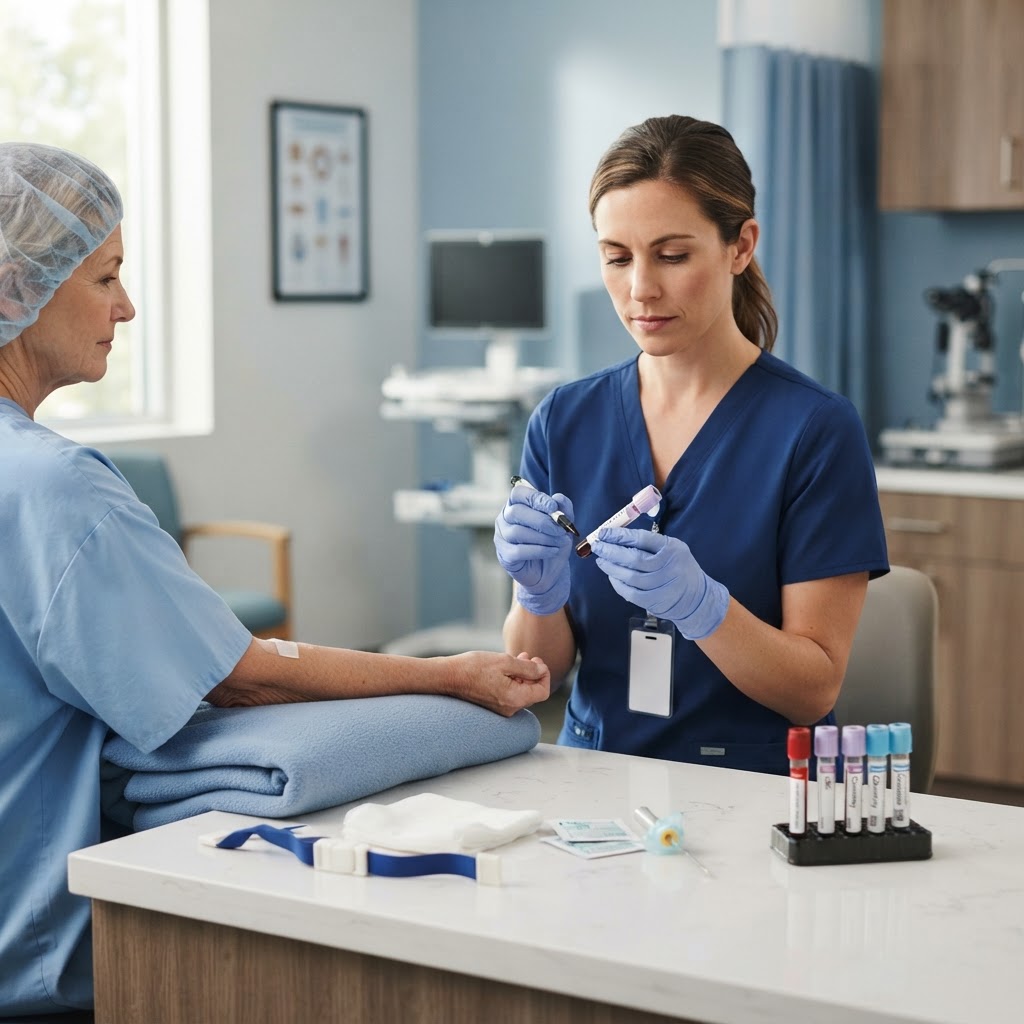
Understanding Pre-Surgery Lab Panels for Minor Ocular Procedures
If you have been scheduled for an elective eye surgery—such as cataract removal, blepharoplasty, or pterygium excision—you may have been surprised to receive a request for pre-operative lab work. Even for "minor" ocular procedures, surgeons often require a baseline assessment of your systemic health. Understanding why these tests are requested and how to manage them can help ensure your surgery proceeds without unnecessary delays.
Why Ophthalmology Centers Require Baseline Labs
Even though eye surgery is often performed on an outpatient basis under local anesthesia or light sedation, your surgeon must account for your overall physiological status. Anesthesia and surgical stress can trigger responses in the body that surgeons need to anticipate. By reviewing a standard panel of blood work, your ophthalmology team can identify underlying issues like hidden anemia, electrolyte imbalances, or abnormal blood clotting markers that could complicate your recovery or increase bleeding risks.
Essential Panels for Ocular Surgery
While every surgeon follows different protocols based on your age and health history, three specific components are commonly requested:
- Complete Blood Count (CBC): This screen provides a snapshot of your red blood cells, white blood cells, and platelets. A low hemoglobin level might indicate anemia, which can influence how well your tissues oxygenate during and after the procedure. High white blood cell counts might alert the team to an active, undiagnosed infection that should be treated before surgery.
- Coagulation Studies (PT/INR): These tests measure how long it takes for your blood to clot. For eye surgery, even minor bleeding can lead to complications such as retrobulbar hemorrhage or prolonged bruising. Knowing your clotting baseline is vital for patient safety.
- Metabolic Markers: Basic metabolic panels help the surgeon understand your kidney and liver function, as well as your glucose levels. Uncontrolled blood sugar, in particular, is a significant focus for ocular surgeons, as stable glucose is critical for proper post-surgical wound healing.
The Impact of Systemic Health on Surgical Recovery
Your eyes do not exist in isolation from the rest of your body. Systemic conditions like hypertension, diabetes, or even nutritional deficiencies can impact the delicate healing processes required after an incision. By securing these lab results in advance, your surgical team can adjust their anesthesia approach, provide personalized post-operative care instructions, or coordinate with other specialists to ensure you are as safe as possible on the day of your operation.
Navigating Lab Orders When You Lack a Primary Care Doctor
Many patients face a hurdle: they have a surgical date booked, but they do not have a primary care physician (PCP) to write the necessary lab orders. Perhaps you are new to the area, between insurance plans, or simply prefer seeing specialists without a general practitioner.
When a PCP is unavailable, you can still meet your surgical requirements through alternative channels. Diagnostic Orders Direct provides a streamlined solution, offering $40 virtual provider reviews for lab, imaging, and EKG order requests. If your request is deemed medically appropriate by a licensed provider, you can receive the orders you need to fulfill your surgical clinic's requirements efficiently. You can learn more about how to request these services at Diagnostic Orders Direct.
Summary
Completing your pre-operative lab work is a standard, essential step in the surgical process. It provides your ophthalmologist with the data necessary to ensure your safety and success. Whether you are dealing with a busy schedule or a lack of primary care access, getting your labs done promptly keeps your surgery on track.
Important Disclaimer
This content is for educational purposes and is not a replacement for professional primary care. Diagnostic Orders Direct is not an imaging center, laboratory, or emergency service. Orders are not guaranteed and are issued only when medically appropriate following a virtual review. If you are experiencing a medical emergency, please call 911 or go to the nearest emergency room immediately.